

The Great Mismatch
Why our attention has never been under greater pressure

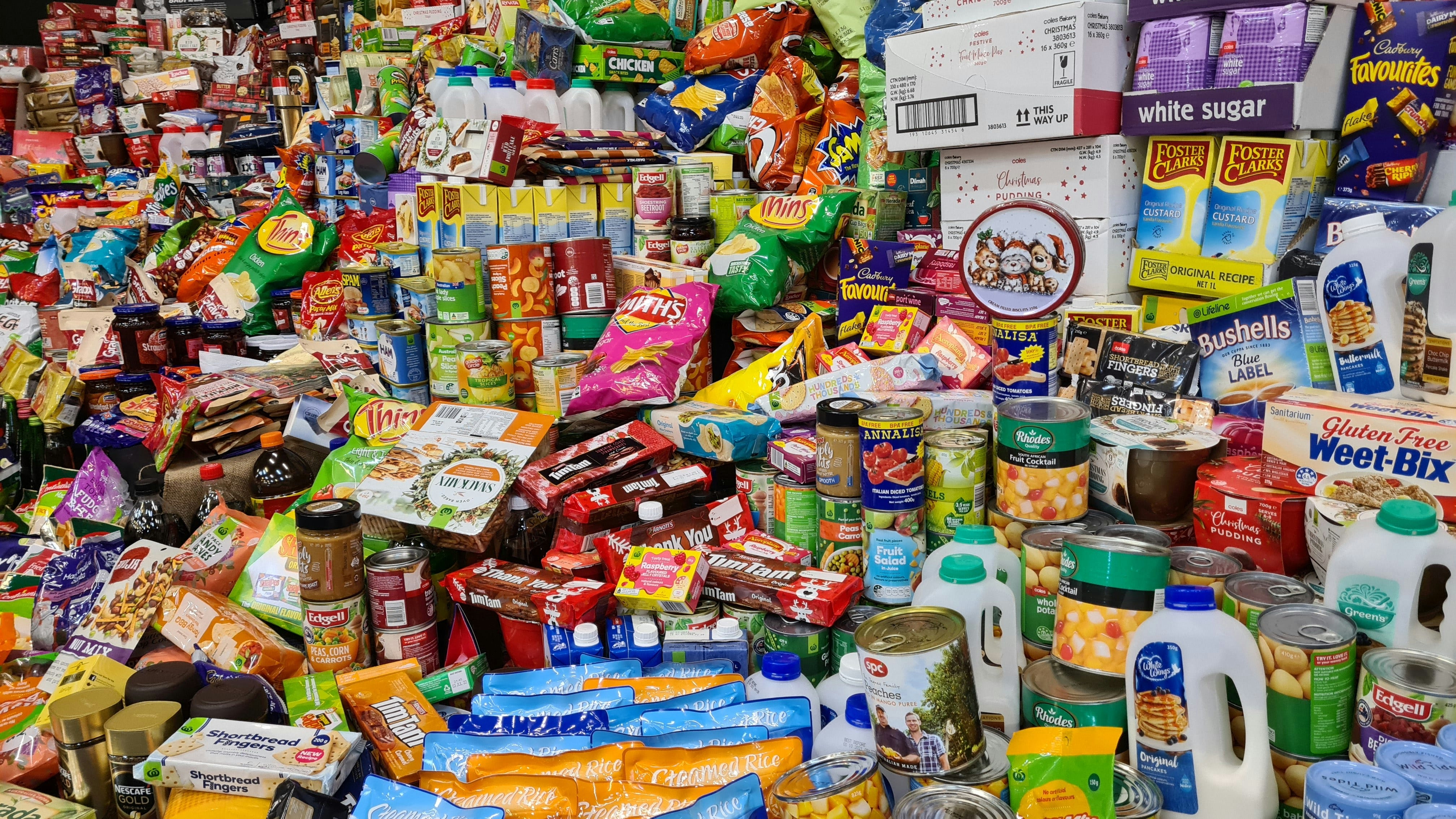
Imagine taking someone from five thousand years ago and dropping them into a modern supermarket. The lights. The colours. The music. Thirty different kinds of breakfast cereal. Hundreds of bottles of wine. An entire aisle devoted to chocolate. It would be overwhelming.
Then again, perhaps not as overwhelming as we like to think. Because although our world has changed beyond recognition, our brains haven’t. We still pay attention to novelty. We still notice danger before safety. We still compare ourselves with the people around us. The difference is that those instincts once helped us survive. Today, they’re part of somebody else’s business model.
Every app on your phone is competing for the same thing. Not your money. Your attention. News organisations know that outrage keeps us reading. Social media knows that uncertainty keeps us scrolling. Advertisers know that novelty captures our gaze. None of this makes them evil. They’re simply responding to incentives.
The difficulty is that our ancient minds were never designed for a world in which thousands of people were trying to capture our attention every single day.
For most of human history, information was scarce. Today it is infinite. Our grandparents knew what was happening in their village. We know what happened five minutes ago on the other side of the planet. We carry more information in our pockets than entire libraries once contained.
Yet I sometimes wonder whether having access to more information has made us any wiser. Knowledge and wisdom are not the same thing. One is accumulated, the other is digested. Perhaps that’s why I find myself reading fewer headlines and more books. Taking longer walks. Having fewer conversations, but better ones. Not because I’m rejecting technology. I love technology. I was the first kid in school to have a calculator for a watch. I spend a lot of time on my laptop; writing, researching, watching. But I’ve become increasingly protective of where I place my attention. Attention, after all, is where our lives unfold.
If someone controls what you think about all day, they shape, to some degree, the person you become. That isn’t alarmism. It’s simply how human beings work. We used to say we’re the average of the five people we spend the most time with. I wonder whether, increasingly, we’re becoming the average of whatever holds our attention.
The irony is that we have never had more freedom over what we consume. And yet many of us have never felt less in control of what occupies our minds. Perhaps the challenge facing our generation isn’t learning more. Perhaps it’s choosing better.
Choosing what deserves our attention.
Choosing what deserves our outrage.
Choosing what deserves our precious, finite lives.
The modern world offers us almost infinite choice.
Maybe wisdom is learning that we don’t have to accept every invitation.